A chemical peel is a cosmetic treatment that uses a chemical solution to exfoliate the skin, removing the outer layers of dead skin to reveal fresher, more youthful-looking skin underneath. This can improve the appearance of skin issues like fine lines, acne scars, hyperpigmentation, and sun damage by stimulating new cell and collagen production. The procedure involves cleansing the skin and applying a chemical solution that causes it to peel off, with results and recovery varying based on the depth of the peel (superficial, medium, or deep).
What a chemical peel does
- Exfoliates dead skin: The chemical solution removes the dead, damaged outer layers of the skin.
- Promotes new skin growth: This controlled injury prompts the body to generate new, healthier skin cells and collagen.
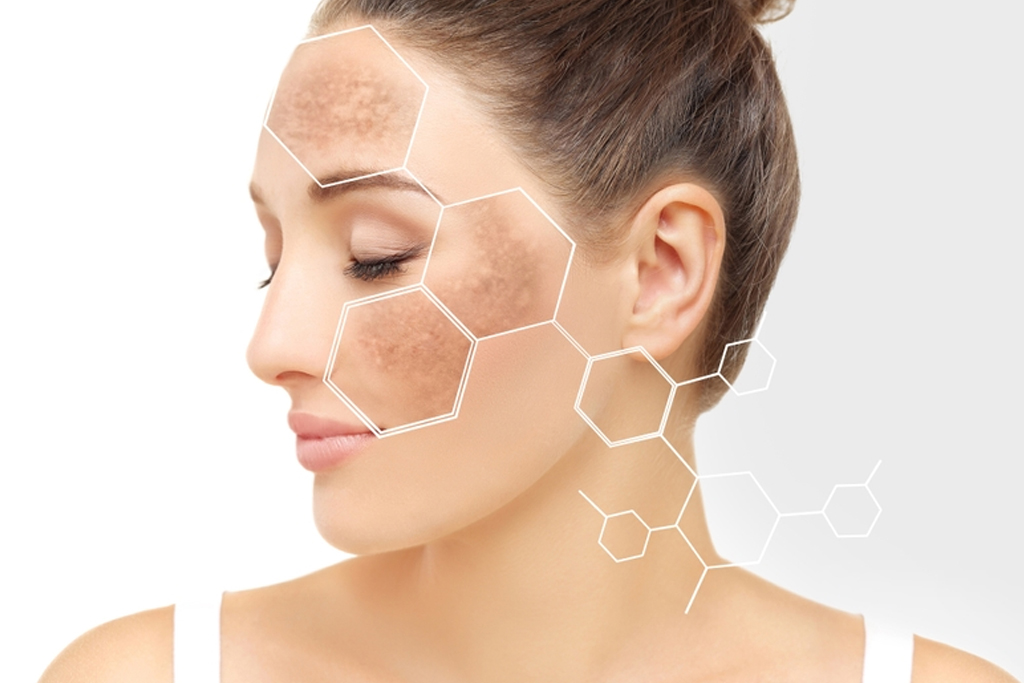
- Improves skin concerns: It can effectively treat issues like acne scars, fine lines, sun spots, and uneven skin tone.
What to expect during the procedure
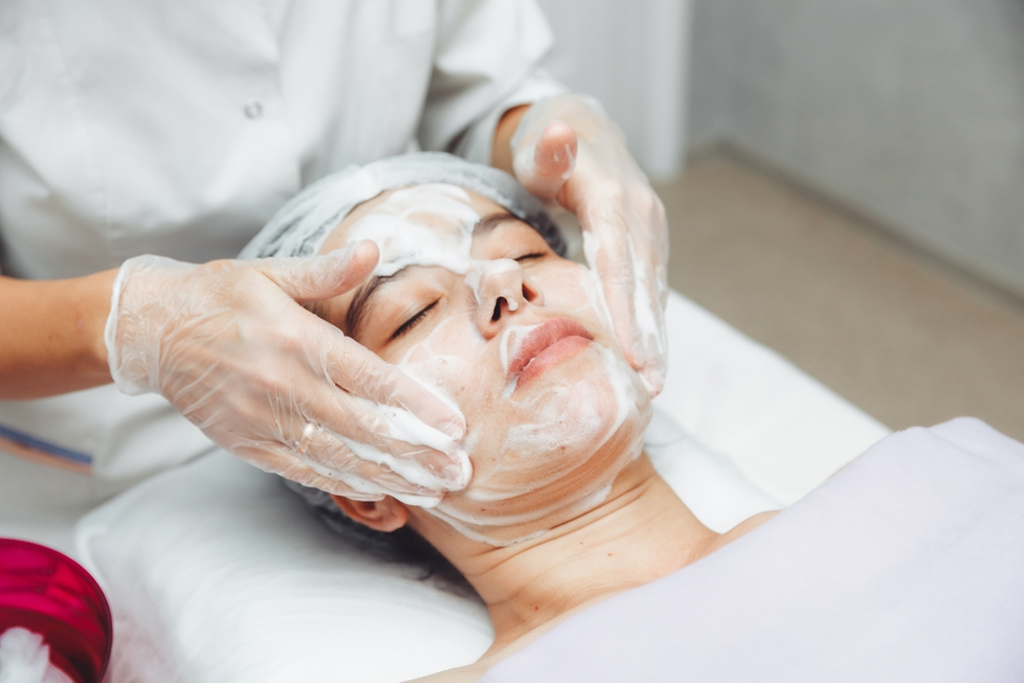
- Cleansing: The skin is thoroughly cleansed to prepare it for the peel.
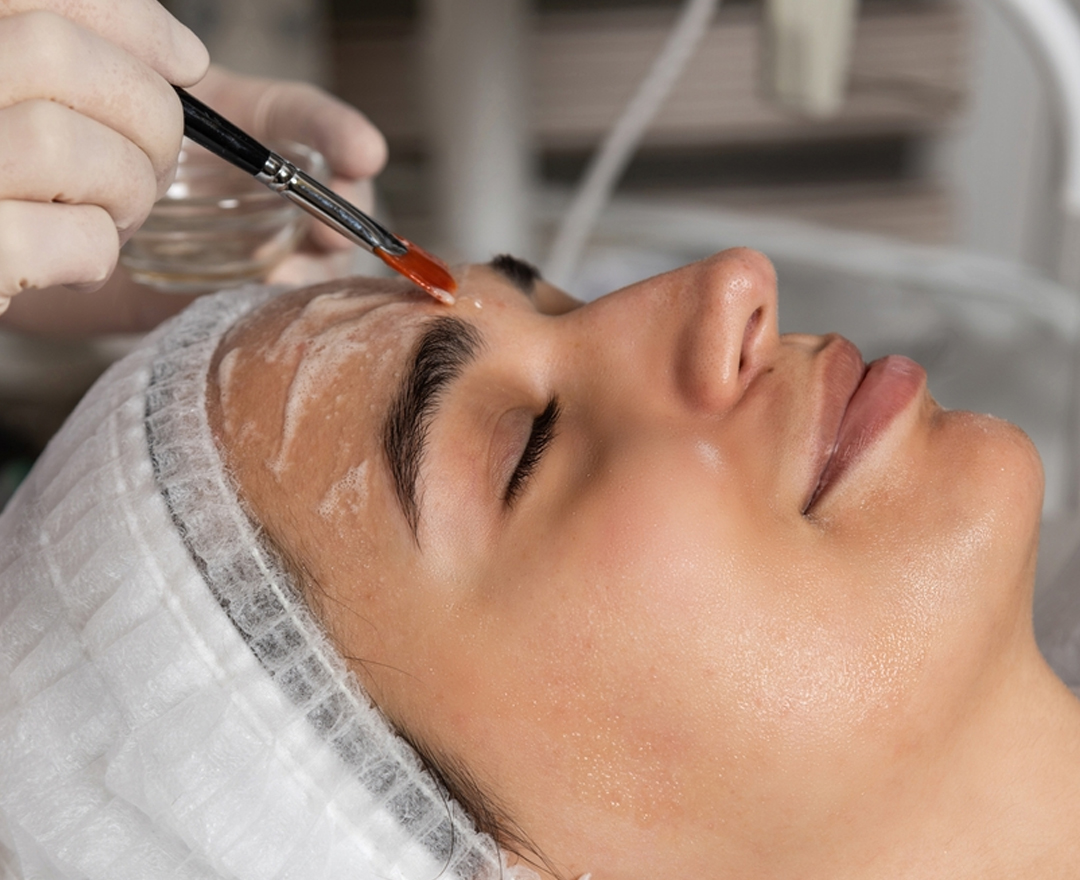
- Application: A chemical solution (like glycolic, salicylic, or TCA acid) is applied to the skin using a brush or cotton applicator.