
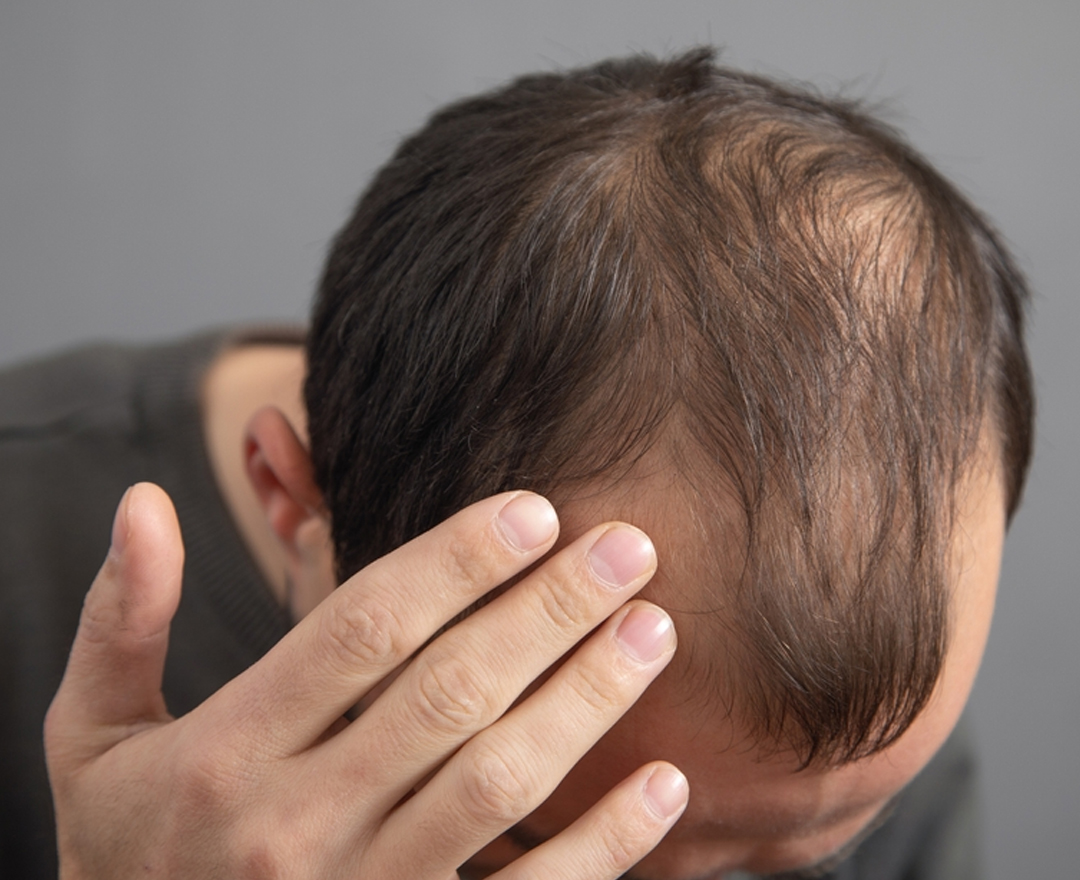
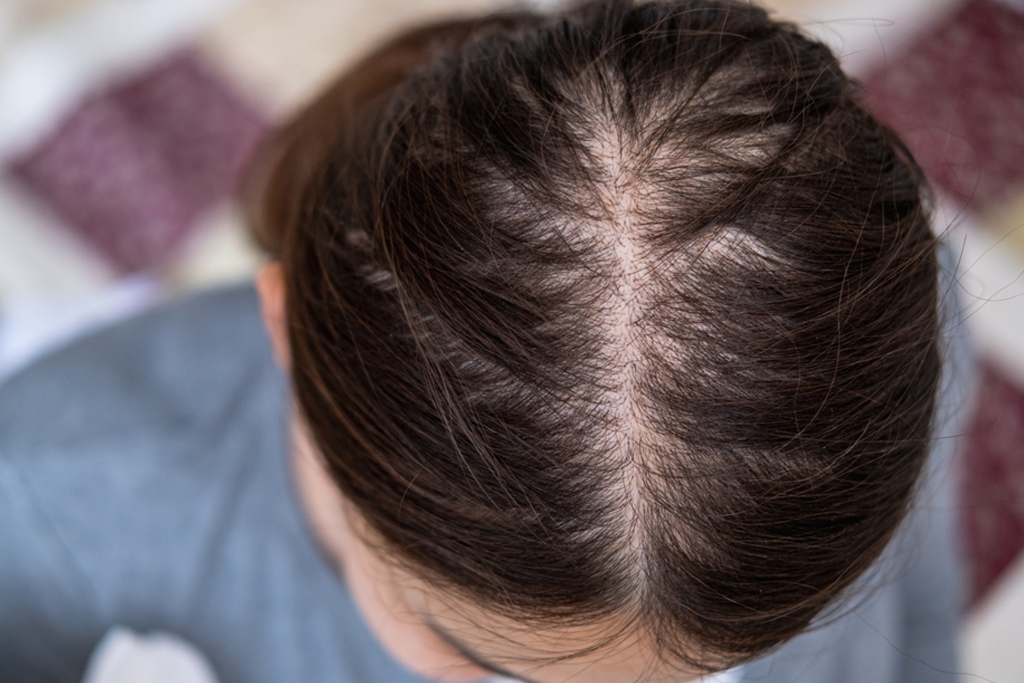
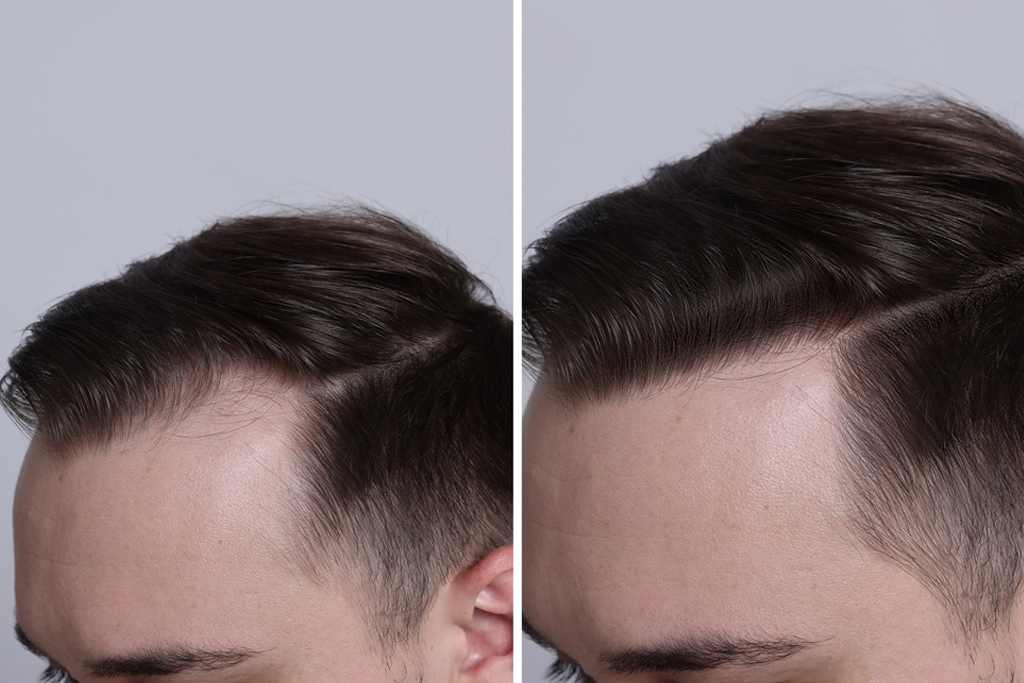
Hair baldness, or alopecia, is a loss of hair from the head or body, most commonly caused by genetics, which leads to a gradual receding hairline in men and thinning on the crown in women. Other causes include hormonal changes, medical conditions like thyroid disease or alopecia areata, and factors like stress, poor nutrition, or certain medications. Treatment options range from medical and surgical procedures to lifestyle adjustments, and can help slow progression or stimulate regrowth.
Causes and symptoms
- Hereditary hair loss: The most common cause, also called male or female-pattern baldness, is a hereditary condition that typically starts gradually with a receding hairline or thinning on the crown.
- Hormonal changes: Conditions like pregnancy, childbirth, or menopause can trigger hair loss.
- Medical conditions: Thyroid problems, autoimmune conditions (alopecia areata), and scalp infections (like ringworm) are common culprits.
- Nutritional deficiencies: Lack of iron or protein can contribute to hair loss.
- Stress: Significant physical or emotional stress can cause temporary hair loss.
- Other factors: Certain medications, tight hairstyles that pull on the hair, and damaging hair treatments can also cause hair loss.