Laser Hair Removal Treatment

Healthcare consultation
Medical facility
Medical staff

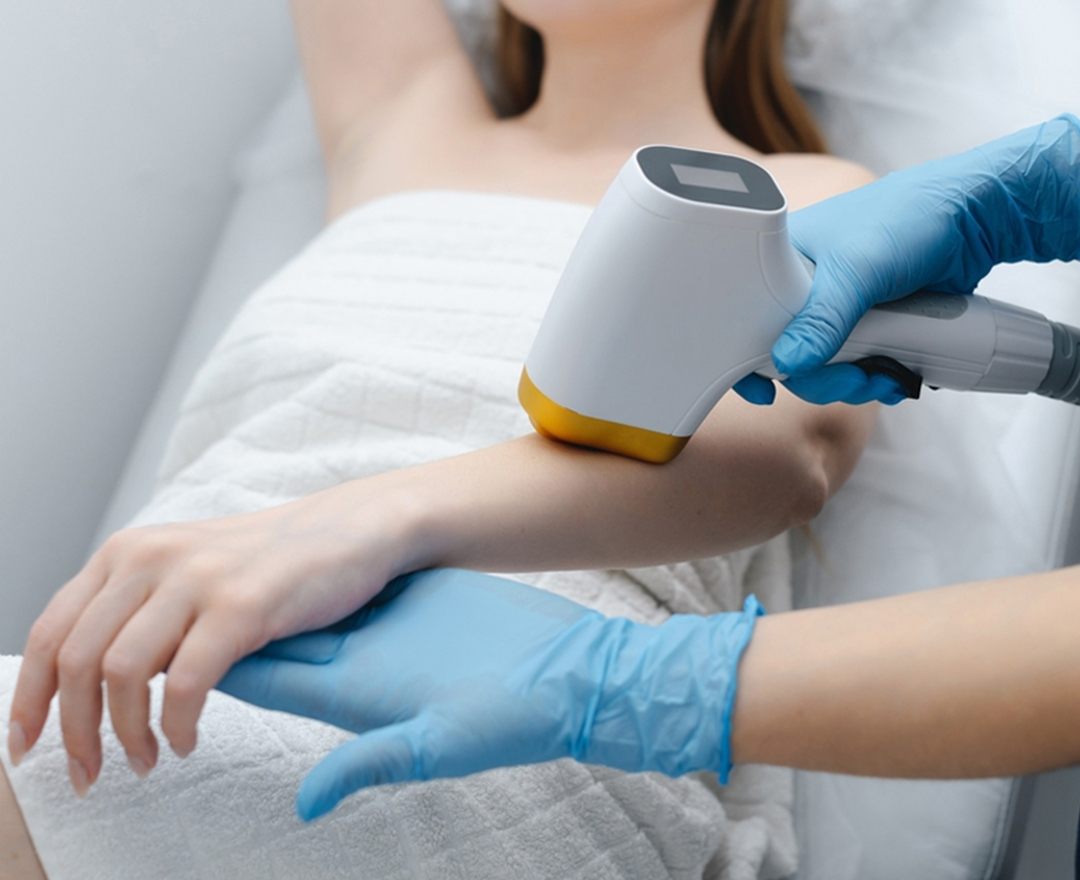
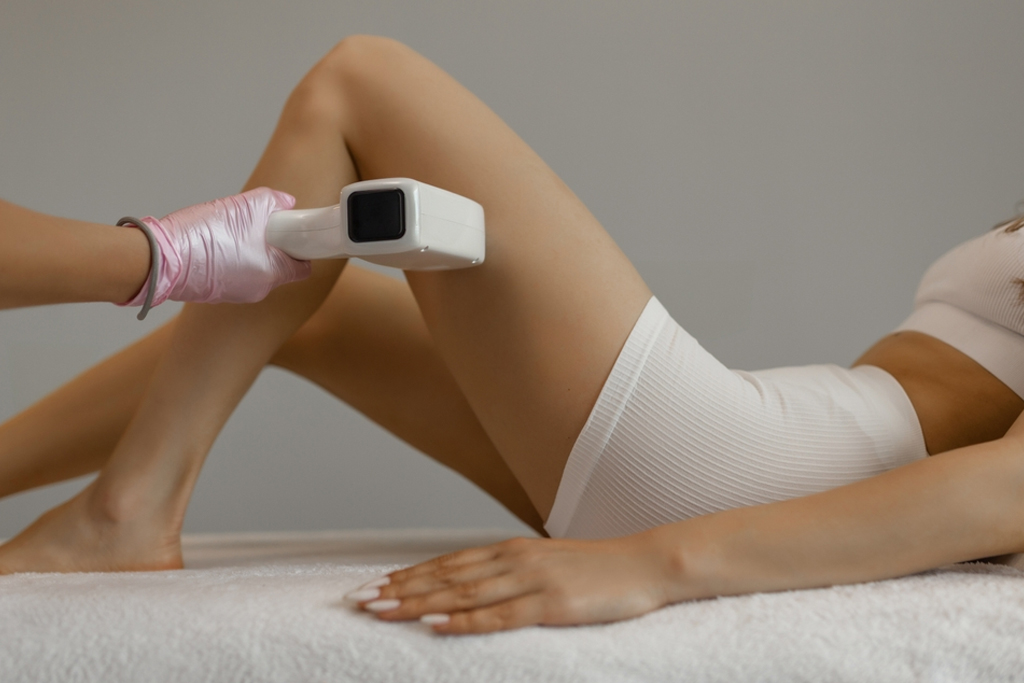
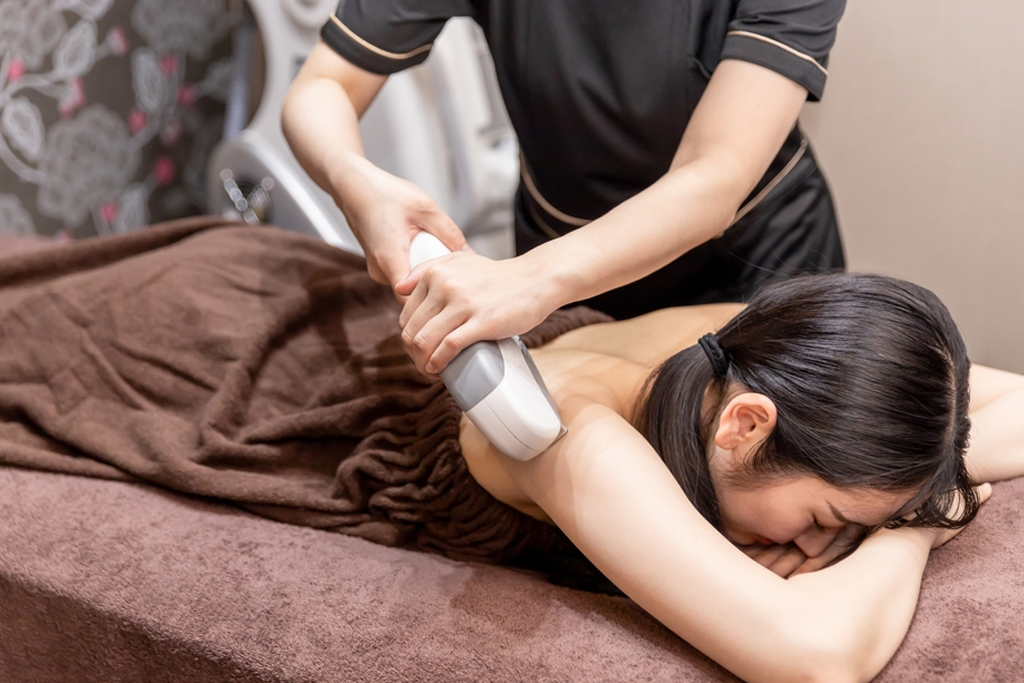
Laser hair removal uses concentrated light to target and destroy hair follicles, leading to a significant and long-lasting reduction in hair growth. The procedure involves multiple sessions, typically 6-10, spaced several weeks apart, and works best on those with dark hair and light skin. Side effects are usually temporary and include redness or swelling, and it is crucial to choose a reputable clinic to minimize risks like burns.

How it works
  • A laser emits light energy that is absorbed by the pigment (melanin) in the hair.
  • This energy converts to heat, which damages and destroys the hair follicle, preventing future growth.
  • The treatment targets only the hair follicles and does not harm the surrounding skin.
What to expect
  • Before the procedure: Shave the area a day or two prior, and a technician may trim any remaining stubble. Protective eyewear is worn by both the provider and patient.
  • During the procedure: A sensation similar to a rubber band snapping against the skin may be felt. Some clinics offer a topical anesthetic for sensitive areas.
  • After the procedure: The treated area may appear pink and puffy, similar to a mild sunburn. Ice packs can be applied for comfort.
  • Results: Hair will begin to fall out about two weeks after treatment. You can expect about a 90-95% reduction after a full course of treatment.
  • Maintenance: Some maintenance sessions may be needed annually or every year and a half to maintain results.
Important considerations
  • Ideal candidates: It is most effective for individuals with dark hair and light skin due to the strong contrast in pigment.
  • Other skin types: Advancements have made it possible to treat other skin and hair combinations, but a contrast is still ideal.
  • Areas: It can be used on most areas of the body, including the face, underarms, back, legs, and bikini line.
  • Safety: Choose a reputable clinic with experienced technicians to minimize risks like burns or permanent skin discoloration.
  • Contraindications: The procedure is generally not recommended during pregnancy or on areas with active infections, skin cancer, or certain other skin conditions.