Cosmetic Treatment

Healthcare consultation
Medical facility
Medical staff

Cosmetic treatment involves surgical or non-surgical procedures to change a person's physical appearance for aesthetic reasons, such as smoothing wrinkles, reshaping features, or enhancing the body. Common examples include cosmetic surgery like facelifts and rhinoplasty, as well as non-surgical options like Botox and dermal fillers. These treatments can be costly and come with risks like infection, scarring, and nerve damage, so it is important to consult with a qualified professional to understand the potential benefits and risks.

Types of Cosmetic Treatments
  • Surgical procedures: These are invasive treatments that involve changing the body's shape or features.
    • Facelift: Corrects loose, sagging, or wrinkled skin on the face.
    • Rhinoplasty: Reshapes the nose to enhance its appearance or function.
    • Liposuction: Removes excess fat to improve body contour.
    • Breast augmentation: Alters the size or shape of the breasts using implants or fat transfer.
    • Tummy tuck (abdominoplasty): Removes excess fat and skin and tightens abdominal muscles.
  • Non-surgical procedures: These are minimally invasive treatments that are typically used to reduce wrinkles or enhance features.
    • Botox: Involves injecting Botulinum toxin to relax muscles and smooth wrinkles.
    • Dermal fillers: Injections that add volume to areas like the lips or to fill in wrinkles.
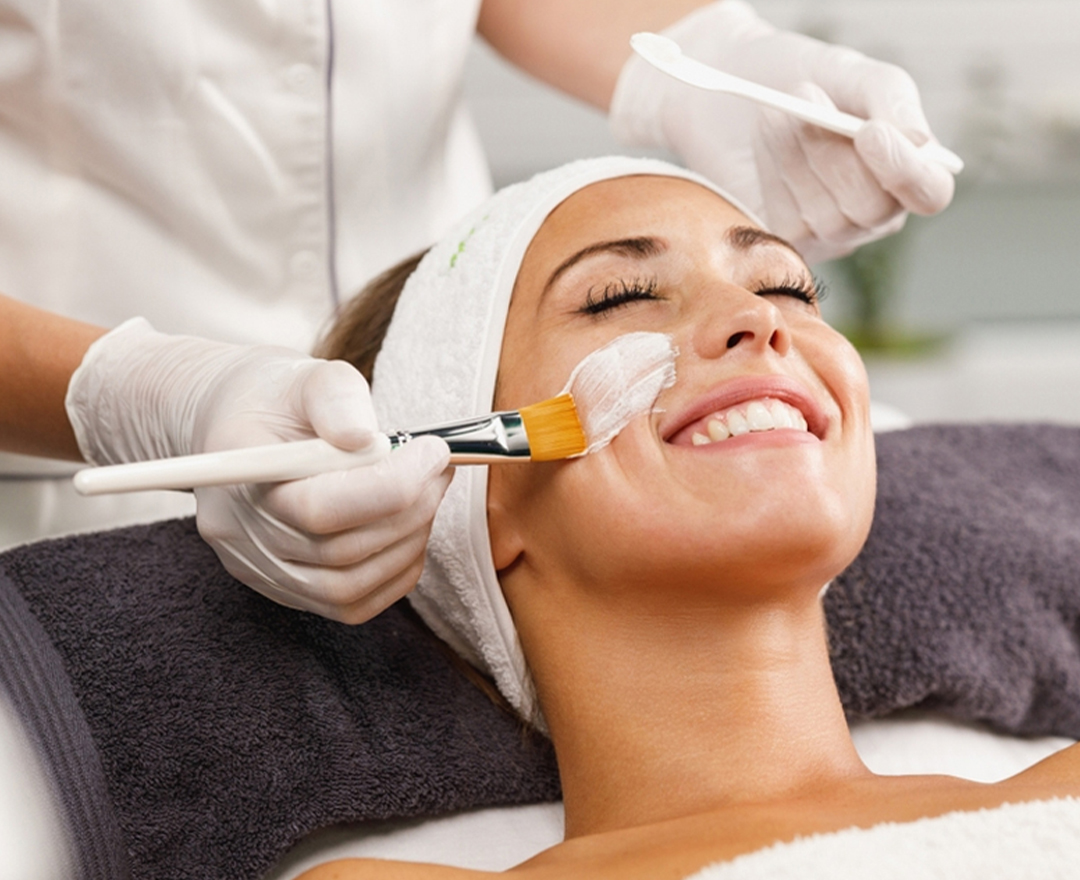
    • Chemical peels: Used to improve skin texture by removing outer layers of skin.
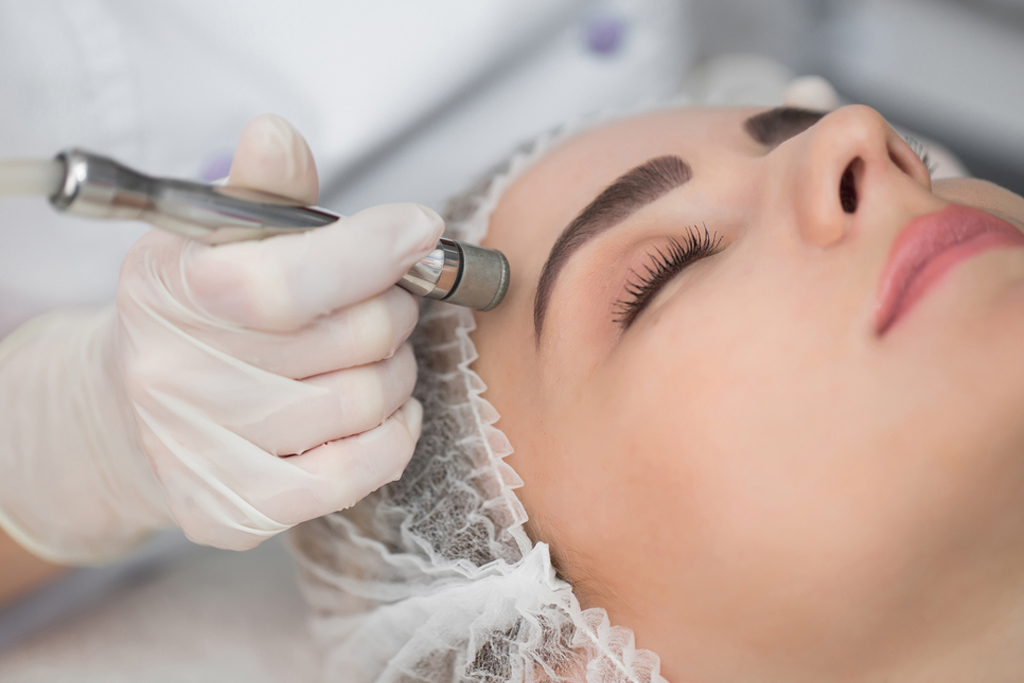
    • Microdermabrasion: A less invasive method of skin exfoliation to smooth the skin's surface.
    • Laser treatments: Can be used for skin rejuvenation, hair removal, or resurfacing.
What to consider
  • Risks: All cosmetic treatments, both surgical and non-surgical, carry risks. These can include infection, excessive scarring, nerve damage, fluid buildup, and unfavorable results.
  • Cost: Health insurance rarely covers cosmetic procedures, and costs can vary significantly depending on the treatment and surgeon.
  • Surgeon selection: The success of these procedures heavily depends on the skill of the surgeon. It is important to research and select a qualified and experienced professional.
  • Suitability: Most cosmetic surgery is suitable for individuals 18 years and older who are generally healthy. In certain cases, such as birth defects or injuries, surgeons may perform these procedures on children with parental consent.